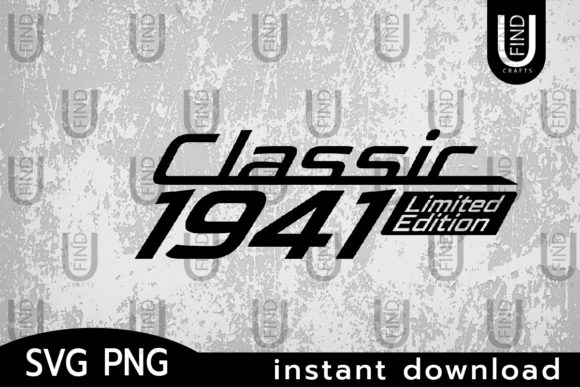
Classic 1941 Limited Edition
As a designer with years of experience in embroidery and digital graphics, I’ve evaluated countless machine embroidery designs. The Classic 1941 Limited Edition stands out for its nostalgic appeal and versatility, but it’s not one-size-fits-all. Let me walk through how this design performs in real-world use, what it’s best suited for, and where it might fall short.
The First Impression: A Nostalgic Design with Timeless Appeal
From the moment I opened the zipped file containing the Classic 1941 Limited Edition, I was struck by its clean, retro aesthetic. The design has a vintage feel that feels both authentic and modern. It’s a classic emblem with a subtle sophistication that makes it ideal for projects that require a touch of history without being overly ornate.
The layout is balanced, with enough detail to make it visually engaging but not so dense that it becomes overwhelming. It’s clear this design was crafted with attention to the visual personality of a 1940s-inspired motif. Whether used as an applique design or a standalone embroidered patch, it carries a sense of timelessness that could work well in multiple contexts.
Real-World Use: Where Does This Design Shine?
I tested the Classic 1941 Limited Edition on several fabric types and project formats. It worked particularly well on custom apparel like tote bags and sweatshirts, where the design could be placed prominently without feeling cluttered. On a cotton tote, the design looked sharp and professional, making it a great choice for small shop products or Etsy listings.
For baby items, the design added a charming, personalized touch. When stitched onto a onesie or a baby blanket, it felt warm and inviting, fitting well with nursery decor or handmade gifts. The size of the design also made it suitable for embroidered patches, which can be sewn onto jackets, backpacks, or even pet accessories.
On holiday-themed projects, such as Christmas stockings or gift tags, the design brought a retro flair that stood out without being too flashy. It also worked well as a printable mockup for digital product previews, helping clients visualize how the final product would look before committing to a purchase.
Where to Be Cautious: Limitations and Considerations
While the Classic 1941 Limited Edition is versatile, there are certain scenarios where it may not perform as expected. For instance, on small hoop sizes, the design’s details can become difficult to stitch accurately. If you’re working with a limited hoop space, this might not be the best option unless you’re willing to split the design into sections.
Textured fabrics or thin materials can also pose challenges. The design’s stitch density is moderate, but on stretchy or delicate fabrics, it might not hold up as well. I recommend testing it on scrap fabric first to ensure the stabilizer and thread colors complement the material.
When used on dark fabrics, the design’s contrast can be less striking. Depending on the thread color, it may appear muted. I suggest experimenting with different thread shades to find the best match for your intended use. Similarly, on layered garments or curved surfaces like caps, the design may require careful placement to avoid distortion.
Impact on Visual Appeal and Customer Perception
One of the most important factors in any embroidery project is how the final product looks to the end user. The Classic 1941 Limited Edition delivers a polished appearance that can elevate the perceived value of a handmade product. Its clean lines and retro style make it instantly recognizable, which is great for branding or creating a cohesive look across merchandise.
For small business owners and Etsy sellers, this design can help build trust with customers. A well-executed embroidery project with a strong visual identity often leads to higher engagement and repeat purchases. The design’s simplicity also makes it easier to pair with other elements, allowing for creative flexibility in product development.
Practical Designer Notes: What to Check Before Using
Before using the Classic 1941 Limited Edition in a commercial or personal project, I recommend taking a few key steps:
- Test on scrap fabric to assess how the design stitches and how the thread colors interact with the material.
- Review stitch density to ensure it aligns with your project’s requirements and fabric type.
- Confirm hoop size to avoid issues with stitching accuracy on smaller machines.
- Inspect small details to ensure they remain clear and legible after stitching.
- Test in black and white mockups to see how the design translates without color.
- Compare light and dark fabric backgrounds to determine the best thread color options.
- Use proper stabilizer to prevent puckering or distortion, especially on delicate or stretchy fabrics.
- Check licensing to ensure the design is suitable for both personal and commercial use.
Final Thoughts: A Design That Works Well in the Right Context
The Classic 1941 Limited Edition is a solid choice for designers looking to add a vintage touch to their embroidery projects. It’s well-suited for custom apparel, baby items, holiday gifts, and small business merchandise. However, it’s not a one-size-fits-all solution. Its performance depends on the fabric, hoop size, and intended use.
If you’re planning to use this design in a handmade product or as part of a digital product offering, take the time to test it thoroughly. With the right approach, the Classic 1941 Limited Edition can become a valuable addition to your design assets and a crowd-pleasing feature for your customers.