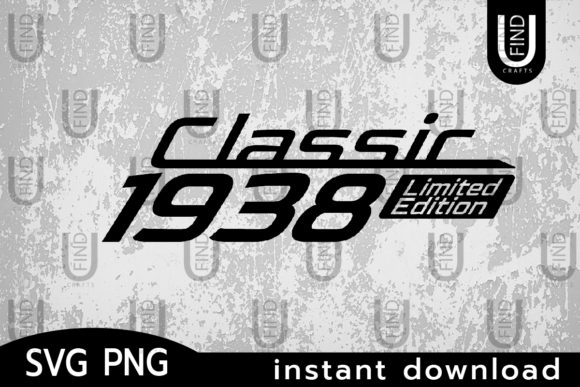
Classic 1938 Limited Edition
As a designer with years of experience in embroidery and digital graphics, I’ve evaluated countless machine embroidery designs. The Classic 1938 Limited Edition stands out for its nostalgic charm and versatility, but it’s not without its nuances. This review dives into how the design performs in real-world projects, what to watch for, and where it truly shines.
First Impressions: A Design That Speaks Volumes
The Classic 1938 Limited Edition evokes a sense of timeless elegance. Its vintage aesthetic, with subtle textures and a restrained layout, feels like it was pulled from a bygone era of craftsmanship. The design isn’t overly intricate, but it has enough detail to make a statement—perfect for those who appreciate understated sophistication. The retro vibe makes it ideal for handmade products, personalized gifts, or boutique merchandise that needs a touch of history without being overwhelming.
From a visual standpoint, the design balances simplicity and character. It’s clear that the artist considered how the piece would translate to fabric, with clean lines and a composition that avoids clutter. This makes it a strong candidate for custom apparel, baby items, or holiday-themed embroidery.
Real-World Use: Where Does It Fit Best?
When considering real-life applications, the Classic 1938 Limited Edition excels in larger formats. It works well on tote bags, sweatshirts, and aprons, where its scale allows the details to breathe. For example, a custom embroidered tote bag featuring this design could become a standout piece in a craft fair or online shop. The design’s size and structure also make it a good fit for embroidered patches or pillow covers, where the visual impact is maximized.
It’s less suited for smaller projects, like caps or baby onesies, where the design might appear cramped. In these cases, the detail level could be lost, especially if the hoop size is limited. If you’re planning to use it on a cap or a hat, consider scaling the design or using a larger hoop to maintain clarity.
Stitching Performance: What to Expect
As an embroidery designer, I always test new files on scrap fabric before committing to a project. With the Classic 1938 Limited Edition, I found that it stitches cleanly on most standard fabrics. The stitch density is moderate, which helps prevent puckering or distortion, especially on lighter materials. However, the design includes some areas with dense fill stitches, so it’s important to use the right stabilizer to keep the fabric flat and the stitches sharp.
Satin stitch areas are smooth and even, while fill stitches don’t show much visible texture. This makes the design suitable for both casual and semi-formal projects. If you're working with stretchy or textured fabrics, be sure to adjust your stabilizer and thread tension accordingly to avoid issues during stitching.
Where to Be Cautious: Limitations and Considerations
While the Classic 1938 Limited Edition is a solid choice for many projects, there are situations where it may not perform as expected. On dark fabrics, the design’s contrast can be muted, so it’s wise to test it in black and white mockups to ensure visibility. Similarly, on thin or stretchy materials, the design may require extra support to maintain its shape and definition.
For commercial embroidery projects, the design’s file format (SVG and PNG) offers flexibility, but it’s important to confirm compatibility with your embroidery software. If you’re planning to sell finished products or digital downloads, double-check the licensing terms to ensure you’re compliant with any restrictions.
Visual Appeal and Customer Perception
The Classic 1938 Limited Edition adds a layer of authenticity to any handmade product. Customers often respond positively to vintage-inspired designs, especially when they’re used in personalized gifts or custom apparel. The design’s clean lines and nostalgic feel make it highly recognizable, which can boost brand consistency for small businesses or Etsy sellers.
When used effectively, this design can elevate the perceived value of a product. Whether it’s a birthday gift, a holiday decoration, or a boutique item, the attention to detail and historical flair can make a lasting impression on buyers. It’s also a great option for printable mockups, allowing you to showcase the design in different contexts before production.
Practical Designer Notes: Tips for Success
Here are a few key points to keep in mind when working with the Classic 1938 Limited Edition:
- Test on scrap fabric first to see how the design translates to your chosen material.
- Check thread color contrast against the background fabric to ensure visibility and cohesion.
- Review stitch density to avoid overworking the fabric or creating an uneven appearance.
- Confirm hoop size to ensure the design fits comfortably without stretching or distorting.
- Inspect small details to make sure they remain sharp and clear after stitching.
- Use proper stabilizer for stretchy or textured fabrics to maintain quality.
- Verify licensing before selling finished items or digital products.
These steps help ensure that the final product meets your standards and delivers the intended visual impact.
Final Thoughts: A Design Worth Exploring
The Classic 1938 Limited Edition is a versatile and appealing machine embroidery design that can enhance a wide range of projects. Its nostalgic charm and clean layout make it a strong choice for handmade products, personalized gifts, and commercial embroidery. While it has some limitations in certain applications, with careful consideration and testing, it can become a valuable addition to your design assets.
Whether you're an Etsy seller, a small shop owner, or a creative entrepreneur, this design offers a blend of style and practicality. Just remember to approach it with the same care and attention you’d give any other embroidery file, and you’ll be rewarded with a finished product that stands out in the market.