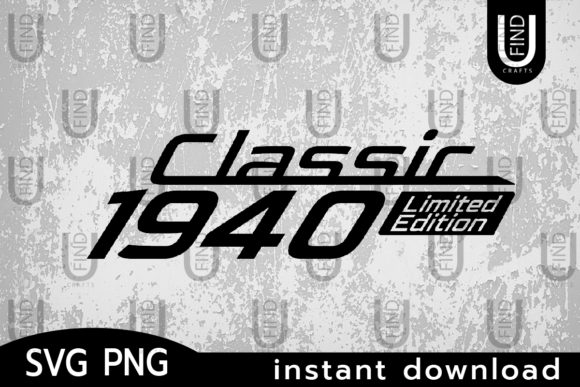
Classic 1940 Limited Edition
First Impressions: A Nostalgic Design with Timeless Appeal
The Classic 1940 Limited Edition immediately evokes a sense of vintage charm. Its clean lines and retro aesthetic suggest a design that belongs in a bygone era, yet it feels modern enough to fit into today’s craft and apparel markets. The layout is balanced, with a central motif that draws the eye without overwhelming the space. It’s a design that feels like it could be part of a family heirloom or a carefully crafted handmade item.
As an embroidery designer, I appreciate how the design balances detail with simplicity. It’s not overly complex, which makes it versatile for different applications. The visual personality is warm and inviting, making it ideal for products that aim to evoke nostalgia or a sense of history.
Real-World Use: Where Does This Design Fit Best?
Imagine preparing a custom embroidered tote bag for a client who wants something unique but still classic. The Classic 1940 Limited Edition would work well as a tote bag design, adding a touch of elegance without being too busy. It also has potential for sweatshirt embroidery, especially for seasonal or themed items. For baby items, it could be a subtle but meaningful addition to onesies or blankets.
This design is particularly suited for personalized gifts. Whether it's a birthday, anniversary, or holiday gift, the retro feel adds a special touch. It also works well for boutique products, such as aprons, kitchen towels, or pillow covers. The design’s structure allows it to be scaled up or down without losing its integrity, making it adaptable for various sizes and formats.
Embroidery Performance: What to Expect in Practice
When working with the Classic 1940 Limited Edition, stitch density is a key consideration. The design uses a mix of satin stitch and fill stitch, which can be effective on most fabrics. However, on thin or stretchy materials, the stitches may appear slightly less defined. It’s important to use the right stabilizer to prevent puckering or distortion, especially on delicate fabrics.
For applique designs, this could be a good option if the fabric is suitable. But for dense areas, the design might require careful planning to avoid bulkiness. On curved surfaces like caps or hats, the design may need some adjustment to ensure even stitching and proper placement.
Where to Be Cautious: Limitations and Considerations
While the Classic 1940 Limited Edition is generally versatile, there are situations where it may not perform as well. Small hoop sizes can be a challenge, as the design may require multiple hooping steps. On dark fabrics, the thread colors may not stand out as much, so testing with different shades is recommended.
For layered garments or textured fabrics, the design might not show up as clearly as expected. Tiny lettering or intricate corners could be difficult to execute without some adjustments. If you're planning to use this for commercial embroidery, make sure the file is compatible with your machine and that the licensing terms allow for resale or redistribution.
Visual Appeal and Customer Perception
The Classic 1940 Limited Edition has a strong visual appeal that can elevate any handmade product. Its retro style adds a level of sophistication that can increase the perceived value of the finished product. Customers often respond positively to vintage-inspired designs, especially when they’re well-executed and professionally presented.
For Etsy sellers or small shop owners, this design can help build brand consistency. It fits well with themes like vintage, retro, or nostalgic decor. When used in printable mockups or digital product previews, it can attract attention and encourage purchases. The design also enhances giftability, as it offers a unique and thoughtful option for personal or commercial gifting.
Practical Designer Notes: Testing and Preparation
Before using the Classic 1940 Limited Edition in a real project, it’s wise to test it on scrap fabric. This helps identify any issues with stitch density, thread color contrast, or fabric compatibility. Checking the design in black and white mockups can also reveal how it will look on different backgrounds.
Ensure that the hoop size is appropriate for the design’s dimensions. If the design is large, consider whether your machine can handle it without requiring multiple hooping steps. For detailed areas, inspect the design closely to see if any elements need simplification or adjustment.
Finally, confirm that the design meets your licensing requirements, especially if you plan to sell finished items or digital products. Always use the correct stabilizer for the fabric type and test thread colors for optimal visibility.
Final Thoughts: A Reliable Choice for Vintage-Inspired Projects
The Classic 1940 Limited Edition is a solid choice for designers looking to add a retro flair to their work. It’s well-suited for custom apparel, personalized gifts, and boutique merchandise. While it has some limitations, it’s generally easy to work with and can enhance the professionalism of any embroidery project.
Whether you’re an experienced embroiderer or just starting out, this design offers practical value and creative potential. With proper preparation and testing, it can become a valuable addition to your design assets and help you create beautiful, lasting pieces for your clients and customers.