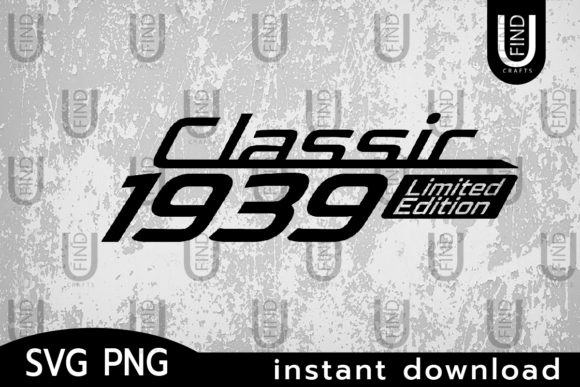
Classic 1939 Limited Edition
As a designer with years of experience in embroidery and digital design, I’ve evaluated countless files for real-world use. The Classic 1939 Limited Edition stands out as a versatile and nostalgic option that could work well in a range of projects. But like any design, it has its strengths and limitations that need to be considered before using it in a finished product or selling it to customers.
First Impressions: A Nostalgic Visual Statement
The Classic 1939 Limited Edition immediately evokes a sense of vintage charm. Its clean lines and retro aesthetic suggest a design meant for timeless appeal. The layout is straightforward, with a central motif that feels at home on a variety of items—think classic t-shirts, tote bags, or even baby onesies. The level of detail is moderate, which means it’s not overly complex but still offers enough visual interest to stand out.
The design’s simplicity makes it ideal for machine embroidery, especially for those looking to create a handmade product with a classic feel. It doesn’t demand intricate stitching, which is a plus for beginners or those working with limited time. However, the lack of extreme detail also means it may not satisfy those seeking highly ornate or elaborate patterns.
Real-World Embroidery Use Cases
When considering where the Classic 1939 Limited Edition fits best, it’s clear that this design thrives on flat, smooth surfaces. It works well on custom apparel like sweatshirts, t-shirts, and tote bags. For a small business owner or Etsy seller, this could be an excellent addition to a collection of vintage-themed products. The design also has potential for baby items, such as onesies or blankets, where a subtle yet recognizable motif can add a personal touch.
It’s also suitable for embroidered patches, aprons, and pillow covers. The retro vibe pairs well with farmhouse decor or vintage-inspired branding. For holiday gifts or personalized items, the design can serve as a meaningful and nostalgic element that resonates with buyers looking for something unique.
Where to Be Cautious
While the Classic 1939 Limited Edition is generally user-friendly, there are some scenarios where it might not perform as expected. If you’re working with small hoop sizes, the design may require multiple hooping, which can complicate the process. Similarly, textured fabrics or thin materials could cause the stitches to look uneven or distorted.
On dark fabrics, the design’s contrast may be less visible unless you choose a thread color that stands out. Stretchy or layered garments might also pose challenges, as the design could shift or stretch during the embroidery process. For curved surfaces like caps, the design’s straight lines may not align perfectly, leading to a slightly off-center appearance.
Visual Appeal and Customer Perception
The Classic 1939 Limited Edition has a strong visual presence that can enhance the value of a handmade product. When stitched correctly, it adds a professional touch that can make a finished item more appealing to customers. The design’s simplicity allows it to be easily recognized, which is important for brand consistency and customer recognition.
For a craft business or small shop, this design could help build a cohesive brand identity. It’s also great for personalized gifts, where the vintage theme can evoke sentimentality and nostalgia. However, it’s essential to ensure that the design looks good in both light and dark fabric backgrounds, as this will affect how it’s perceived by different buyers.
Practical Designer Notes
Before committing to a project, always test the Classic 1939 Limited Edition on scrap fabric. This will help you assess how the design looks when stitched and whether it meets your expectations. Pay close attention to stitch density—too much or too little can affect the overall appearance.
Check the hoop size required for the design, and make sure your machine can accommodate it. If the design includes small details or lettering, inspect them closely to ensure they’re clear and legible. Using the right stabilizer is crucial, especially on delicate or stretchy fabrics.
Finally, confirm that the design is licensed for commercial use if you plan to sell finished products or digital files. Even though the product description mentions a digital download, it’s wise to double-check the terms to avoid any legal issues down the line.
Best Fit for Your Projects
The Classic 1939 Limited Edition is best suited for projects that benefit from a clean, vintage aesthetic. It works well for custom apparel, tote bags, and baby items, where a subtle yet recognizable design can add character. It’s also a solid choice for holiday or wedding gifts, where the retro theme can resonate with buyers looking for something special.
For small business owners or Etsy sellers, this design could be a valuable addition to your product lineup. It’s easy to use, visually appealing, and has broad appeal across different demographics. Just be mindful of the limitations and test it thoroughly before incorporating it into your workflow.
Final Thoughts
The Classic 1939 Limited Edition is a practical and stylish option for designers and crafters looking to add a vintage touch to their work. While it has some constraints, it offers a lot of flexibility for real-world embroidery projects. Whether you're creating a handmade product, a personalized gift, or a small shop merchandise, this design can be a reliable asset in your toolkit.
As with any embroidery file, the key to success lies in understanding its strengths and limitations. With proper testing and careful application, the Classic 1939 Limited Edition can become a standout piece in your portfolio or product line.