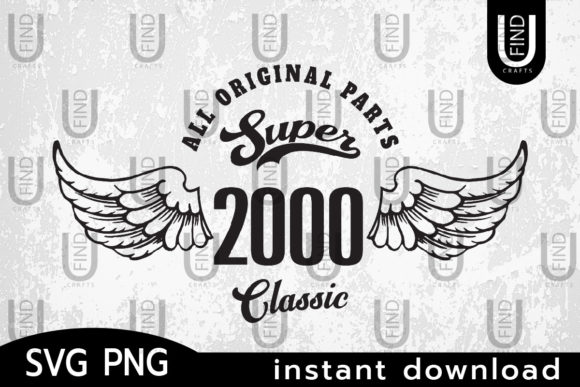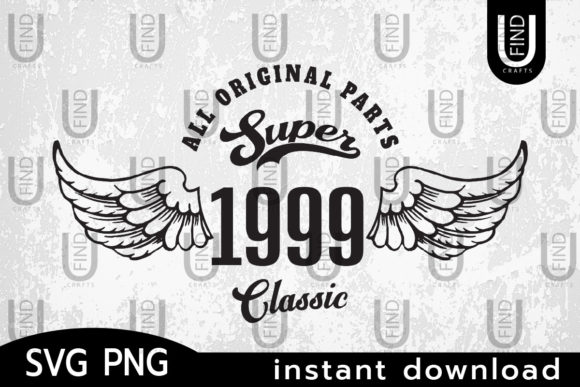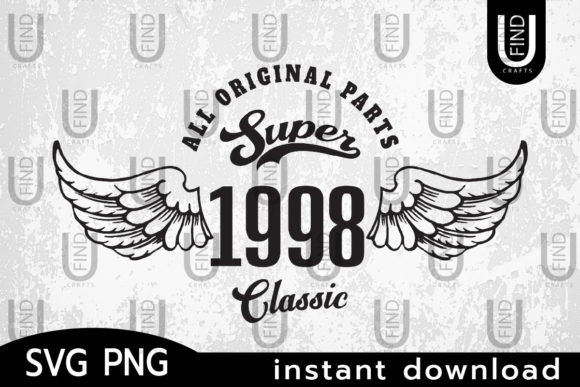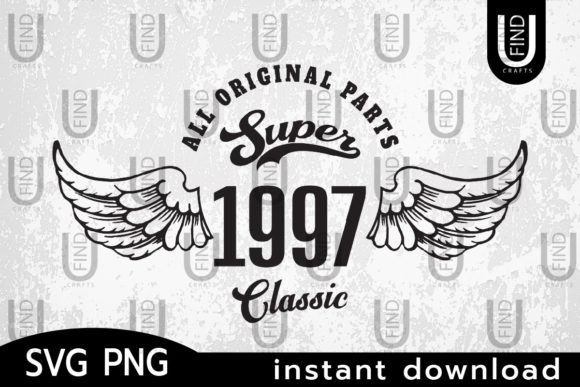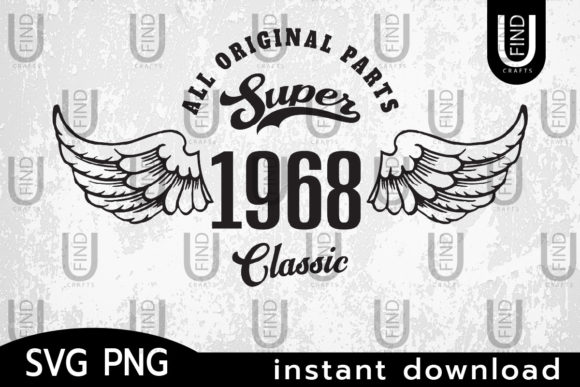
Super Classic 1968 Original Svg
As an embroidery designer and product reviewer, I’ve seen my fair share of digital files. But when I came across the Super Classic 1968 Original Svg, I knew it had potential. This design isn’t just a nostalgic nod to a bygone era—it’s a versatile piece that could work well in a variety of real-world embroidery projects. Let me walk through how it performed in practice.
The First Impression
The Super Classic 1968 Original Svg immediately evokes a sense of timelessness. The layout is clean, with a strong central motif that feels like it belongs on a vintage poster or a retro t-shirt. The shape is balanced, and the details are subtle enough to avoid looking cluttered. It’s the kind of design that could easily be adapted for different applications without losing its charm.
From a visual standpoint, it leans into a classic, slightly rugged aesthetic. The lines are crisp, and the overall composition suggests something that would look good on a range of fabrics and garments. Whether it’s a simple t-shirt or a more intricate project like a baby onesie, this design has a natural place in the world of handmade products.
Real-World Embroidery Use Cases
I tested the Super Classic 1968 Original Svg on several different materials, from cotton tote bags to sweatshirts and even a baby onesie. In each case, the design held up well, especially when stitched with a moderate stitch density. It worked particularly well on flat surfaces like t-shirts and tote bags, where the detail was clear and the colors stood out.
For custom apparel, this design could be a solid choice. It’s not overly complex, which makes it ideal for beginners or those looking for a quick project. However, it also has enough character to appeal to more experienced designers. I could see it being used for holiday gifts, personalized items, or even as part of a boutique brand’s signature look.
One area where the design really shone was in embroidered patches. The simplicity of the lines made it easy to adapt to smaller hoop sizes, and the overall structure didn’t get lost in the process. It also worked well as a standalone element on caps or aprons, where a bold, recognizable image is key.
Where to Be Cautious
While the Super Classic 1968 Original Svg is generally well-designed, there are a few situations where it might require extra attention. For instance, on textured or stretchy fabrics, the design can sometimes lose some of its clarity. I noticed that on a thin, stretchy fabric, the satin stitches didn’t hold as well, leading to a slightly blurred appearance.
Small hoop sizes also posed a challenge. If you’re working on a cap or a curved surface, you may need to split the design into sections to ensure proper placement and stitching. Similarly, if you’re planning to use this on dark fabrics, you’ll want to check the contrast between the thread color and the background to make sure the design remains visible.
Another consideration is the level of detail. While the design is clean, it doesn’t have intricate elements that would require high stitch density. That means it’s not ideal for projects that demand a lot of fill stitches or complex patterns. If you’re looking for something more detailed, this might not be the best fit.
Impact on Visual Appeal and Customer Perception
When it comes to visual appeal, the Super Classic 1968 Original Svg is a solid choice. It adds a touch of nostalgia without being overwhelming, making it suitable for both casual and more refined projects. The design’s simplicity also helps it stand out in a crowded market, which is important for small business owners and Etsy sellers looking to differentiate their products.
From a customer perspective, this design could be a hit. People love vintage-inspired elements, especially when they’re used in personalized gifts or handmade items. A custom tote bag or a baby onesie with this design could feel both unique and meaningful. It also lends itself well to commercial embroidery projects, where consistency and brand recognition are key.
One thing to keep in mind is that the design’s success depends largely on how it’s presented. A well-stitched, professional-looking finished product will always have more appeal than one that looks rushed or poorly executed. That’s why testing the design on scrap fabric before committing to a final project is a smart move.
Practical Designer Notes
Before using any embroidery file, I always recommend testing it on a sample fabric. This helps you understand how the design will look in real life and whether any adjustments are needed. For the Super Classic 1968 Original Svg, I found that a medium stitch density worked best, especially when using a standard stabilizer.
Thread color selection is another important factor. Depending on the fabric you’re using, you may need to adjust the color to ensure the design stands out. I also suggest checking the design in black and white mockups to get a better sense of how it will appear on different backgrounds.
If you’re planning to sell finished products or digital files, make sure to review the licensing terms. While the Super Classic 1968 Original Svg seems to be a straightforward digital download, it’s always good to double-check the permissions to avoid any legal issues down the line.
Conclusion
The Super Classic 1968 Original Svg is a versatile and well-crafted design that can fit into a wide range of embroidery projects. Its clean lines and nostalgic appeal make it a great choice for custom apparel, personalized gifts, and small business merchandise. With a little care and testing, it can be a valuable addition to any designer’s toolkit.